True Node vs Mean Node in Astrology: A Clear and Complete Guide for Modern Astrology Readers
Understanding True Node vs Mean Node in Astrology often feels confusing at first. The terms sound technical, yet their meaning shapes how you read purpose, growth, and direction in a birth chart. This guide explains the difference in plain English, using real context, simple examples, and practical insight that helps you decide what actually matters.
Astrology doesn’t reward overthinking. Instead, it rewards clarity, pattern recognition, and lived understanding. That’s exactly what this article delivers.
What Are the Lunar Nodes?
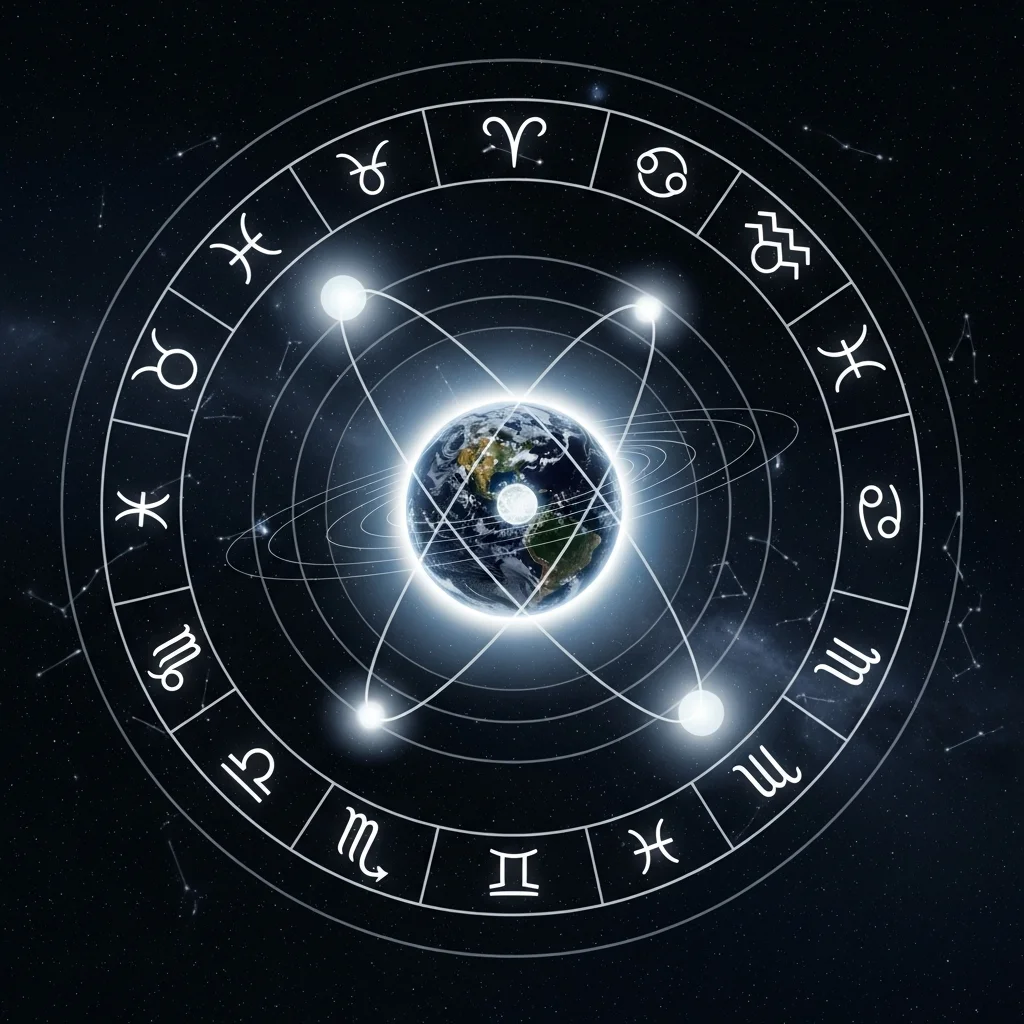
The lunar nodes sit at the heart of astrology’s story about direction and development. These points don’t float in space like planets. Instead, they mark where the Moon’s path crosses the Sun’s apparent path around Earth. That crossing creates meaning, symbolism, and long-term themes that shape a lifetime.
Astrologers have relied on lunar nodes for centuries because they reveal patterns that planets alone cannot show. While planets describe personality and events, nodes describe momentum. They point toward experience already mastered and growth still unfolding.
North Node and South Node explained
The North Node and South Node always work together. One cannot exist without the other. The South Node reflects skills that feel natural because they’ve been practiced deeply. The North Node points toward traits that feel awkward at first yet lead to fulfillment.
Think of this axis like muscle memory versus learning balance. One side feels steady. The other feels shaky. Growth happens when both are acknowledged.
Why lunar nodes are not physical planets
Unlike Mars or Venus, lunar nodes have no mass. They don’t emit light or gravity. They exist as calculated intersections. That difference matters because nodes symbolize direction rather than action.
Because nodes are mathematical points, astrologers interpret them symbolically. This is why True Node vs Mean Node in Astrology exists at all. Different calculations reflect different philosophical approaches.
Why nodes matter in astrology (life direction, growth, karma)
Nodes matter because they show movement across time. The South Node highlights emotional reflexes and default behaviors. The North Node Calculator highlights unfamiliar territory tied to growth and meaning. Many astrologers link this axis to karma, life lessons, and long-term development.
When planetary interpretations feel incomplete, nodes often fill the gap.
The North Node vs South Node Axis
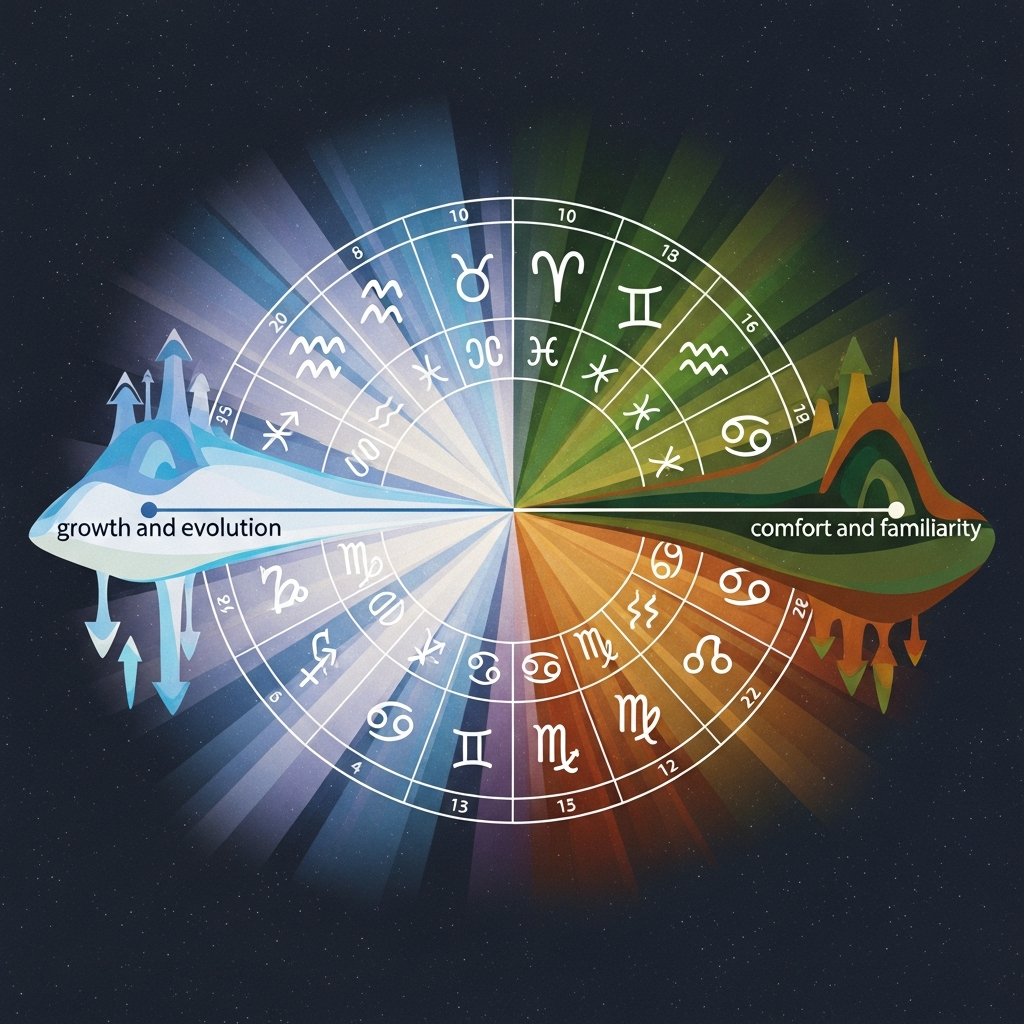
The nodal axis works like a pendulum. One side pulls toward comfort. The other pulls toward evolution. Neither side is wrong. Problems arise only when balance disappears.
Understanding True Node vs Mean Node in Astrology begins here. Without grasping how this axis functions, calculation debates miss the point.
The North Node vs South Node axis describes movement rather than traits. It shows where energy flows naturally and where effort creates growth.
South Node: habits, comfort zones, ingrained patterns
The South Node reflects familiarity. These traits show up early in life. They feel easy. They also feel limiting when overused. Many people rely on the South Node during stress because it feels safe.
Over time, staying there too long can create stagnation. Growth slows. Patterns repeat.
North Node: growth, challenge, evolutionary direction
The North Node feels uncomfortable at first. It demands new skills and emotional risk. However, it rewards effort with expansion. Many astrologers describe this path as evolutionary astrology in action.
Growth rarely feels natural at the start. That discomfort is often a signal of alignment.
How the nodal axis works together (not separately)
The axis works as a system. The South Node provides stability. The North Node provides direction. Ignoring either side creates imbalance. Integration creates momentum.
Astrology becomes clearer when this relationship stays central.
True Node vs Mean Node — Core Difference Explained
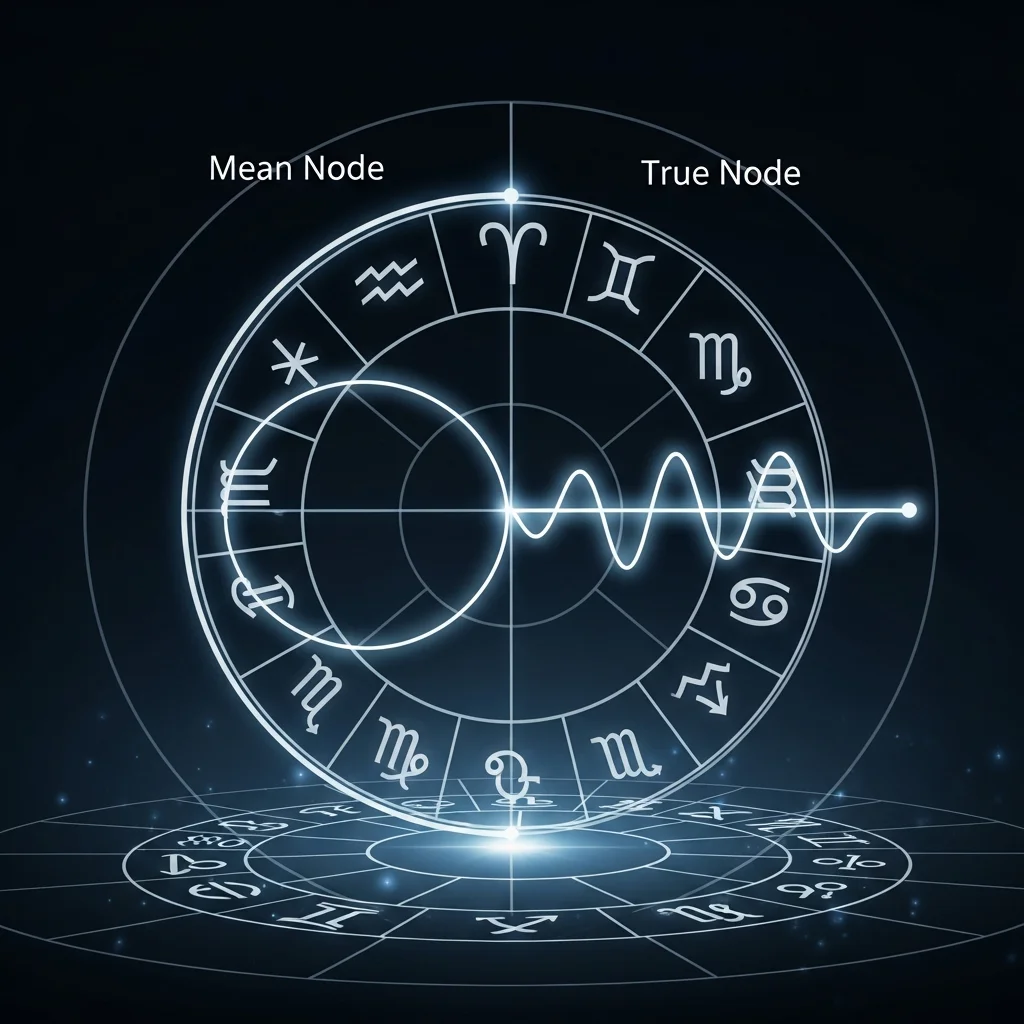
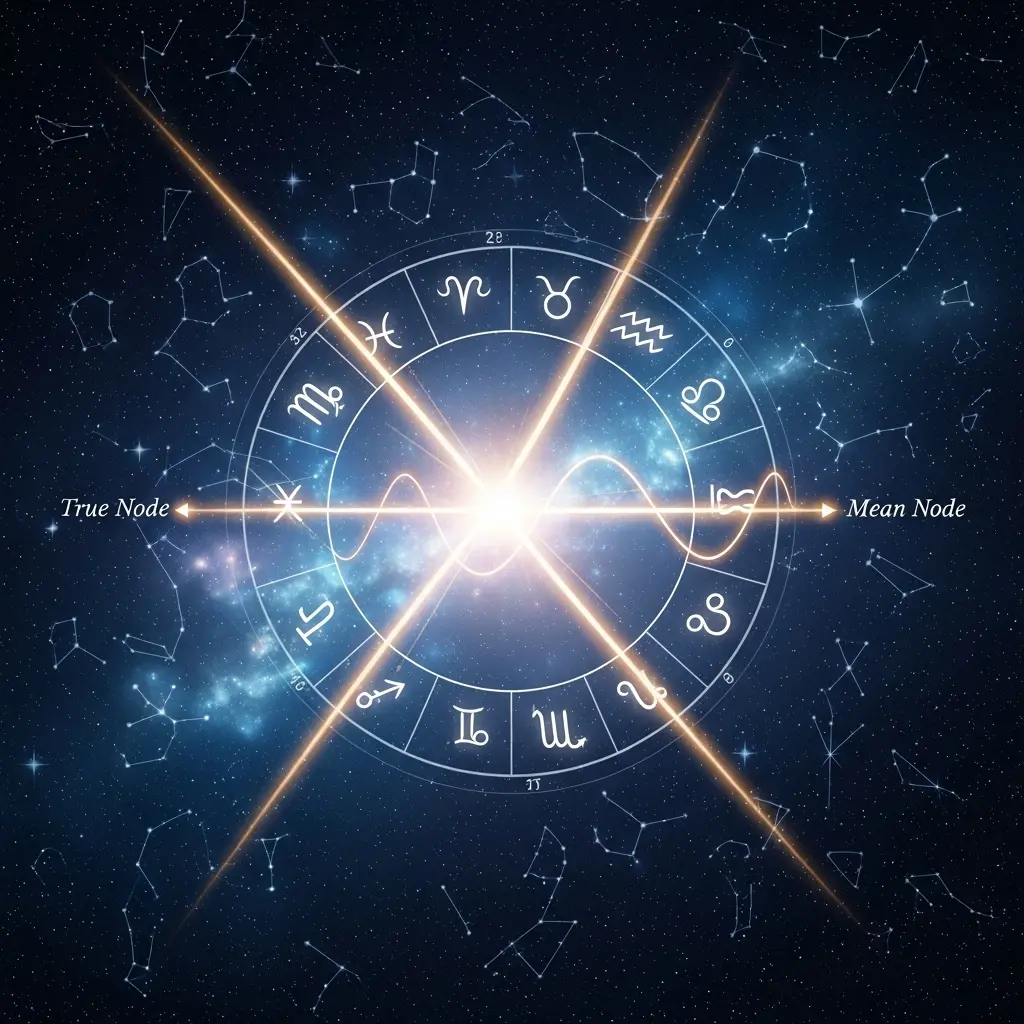
The difference between True Node vs Mean Node in Astrology lies in calculation, not meaning. Both represent the same symbolic points. They simply approach measurement differently.
Understanding this prevents unnecessary confusion. Both calculations aim to describe the same underlying truth.
What the True Node represents (actual oscillating position)
The True Node tracks the Moon’s real-time motion. Because the Moon’s orbit wobbles slightly, the True Node reflects that fluctuation. This causes brief periods of direct motion.
Some astrologers value this precision, especially for timing-sensitive work.
What the Mean Node represents (averaged position)
The Mean Node smooths the Moon’s motion into a steady average. It removes short-term fluctuations. This creates consistency across charts and timeframes.
Many traditional astrologers prefer this stability.
Why both exist in astrological software
Both exist because astrologers value different tools. Early astrologers needed averages. Modern software allows precision. Neither approach replaces the other.
This coexistence explains why debates persist.
How True Node and Mean Node Are Calculated
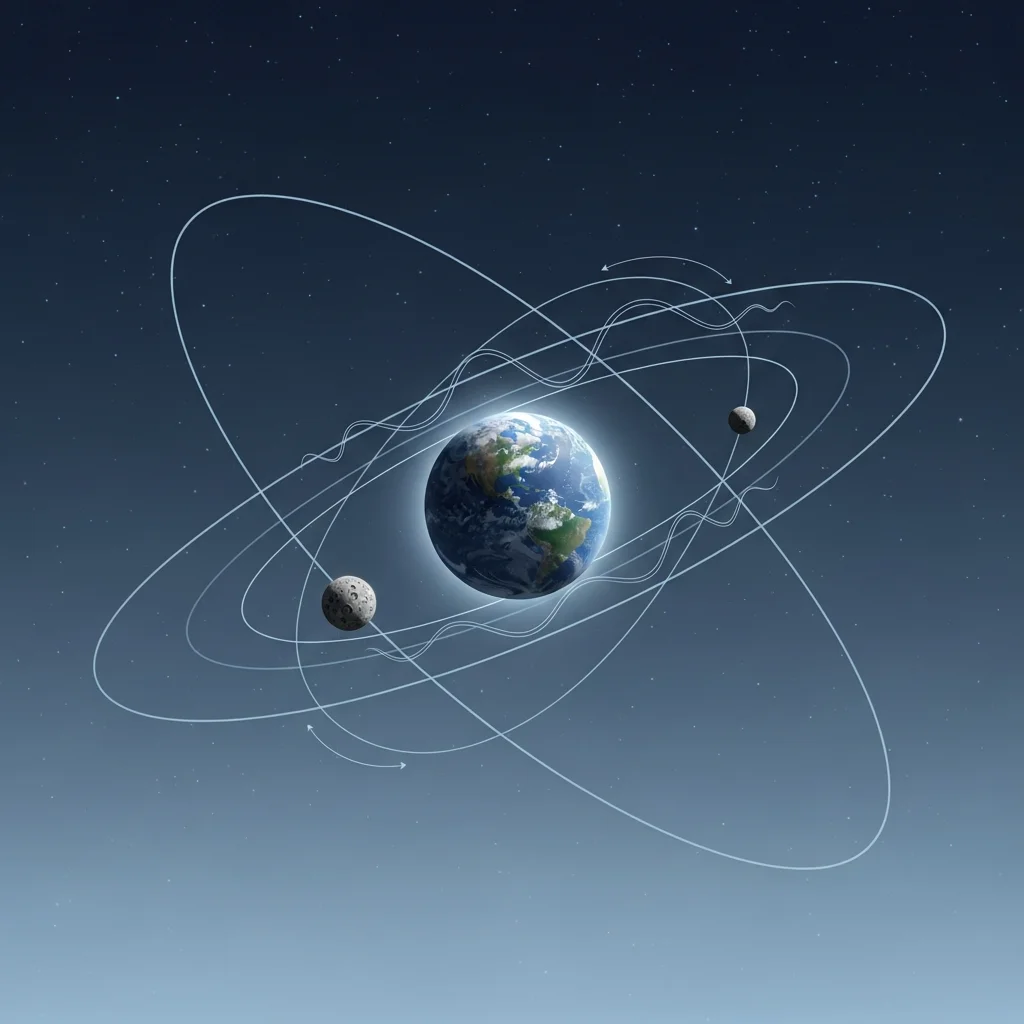
Calculation differences shape interpretation only at the margins. The core symbolism remains unchanged. Still, understanding mechanics adds clarity.
The True Node vs Mean Node in Astrology discussion often becomes simpler once calculation methods are understood.
Orbital wobble and gravitational influences (simplified)
The Moon doesn’t orbit Earth in a perfect circle. Gravity from Earth and the Sun creates small shifts. These shifts create the wobble reflected in the True Node.
The Mean Node ignores these short-term variations.
Why the True Node can move direct
Because wobble varies, the True Node sometimes appears to move forward briefly. This motion doesn’t behave like planetary retrogrades. It’s mathematical rather than symbolic.
This distinction prevents misinterpretation.
Why the Mean Node is always retrograde
The Mean Node smooths motion into a steady backward path. This matches the long-term nodal cycle. It removes noise and emphasizes theme over moment.
Consistency appeals to many practitioners.
Why the difference is usually small (degrees, not signs)
The difference rarely exceeds one to two degrees. Sign changes happen only near boundaries. This means interpretation rarely shifts dramatically.
Context always outweighs precision.
Astronomy Behind the Lunar Nodes (Simple Explanation)
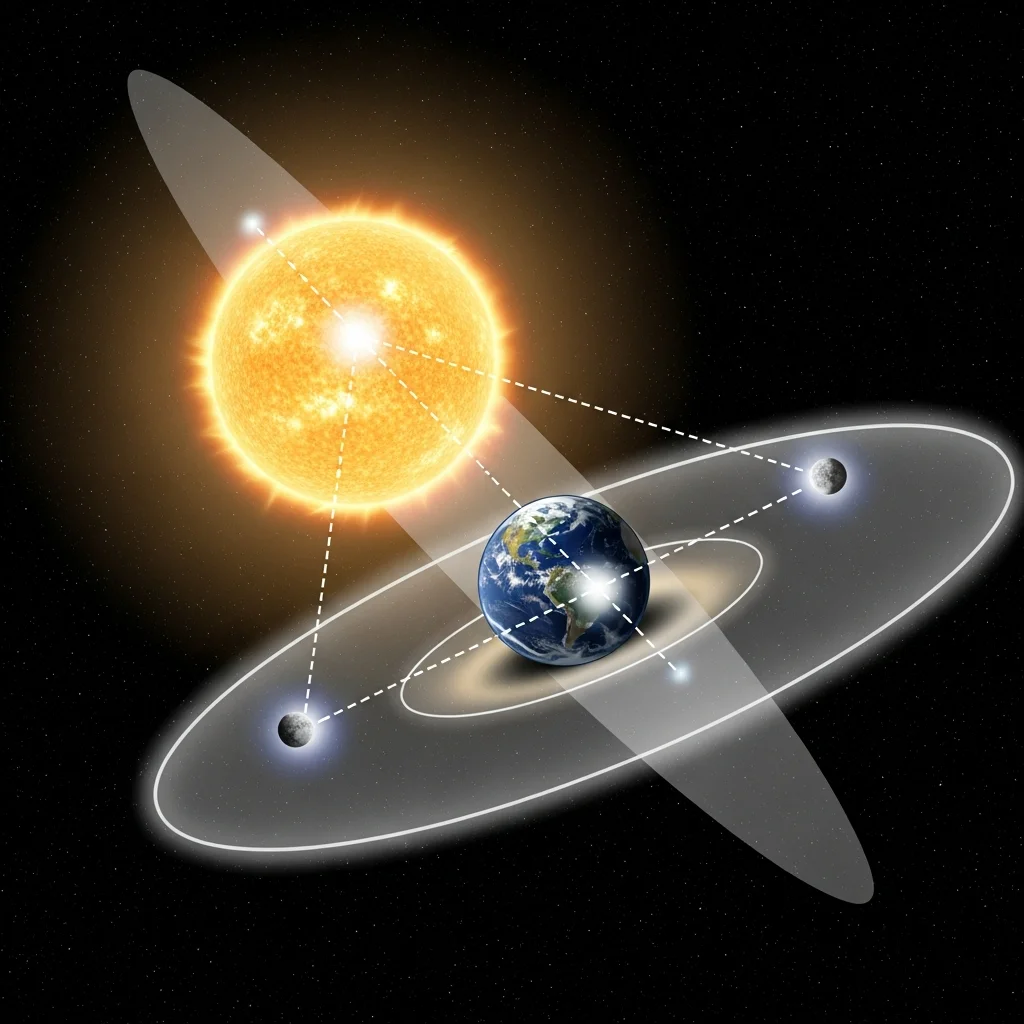
Astronomy explains where nodes come from without complicating astrology. Keeping this explanation simple avoids distraction.
Understanding this foundation clarifies True Node vs Mean Node in Astrology debates.
Moon’s orbital plane vs the ecliptic
The Moon’s path tilts slightly compared to Earth’s path around the Sun. That tilt creates two crossing points. Those crossings form the nodes.
Nothing physical sits there.
Where nodes form in space
Nodes exist where paths intersect. They don’t emit energy. They symbolize alignment. Astrology assigns meaning based on repetition and timing.
Symbolism arises from pattern.
Why eclipses only happen near the nodes
Eclipses require alignment. That alignment occurs only near nodes. This reinforces their importance in timing and transformation.
Nodes mark gateways.
Nodal Cycle and Timing
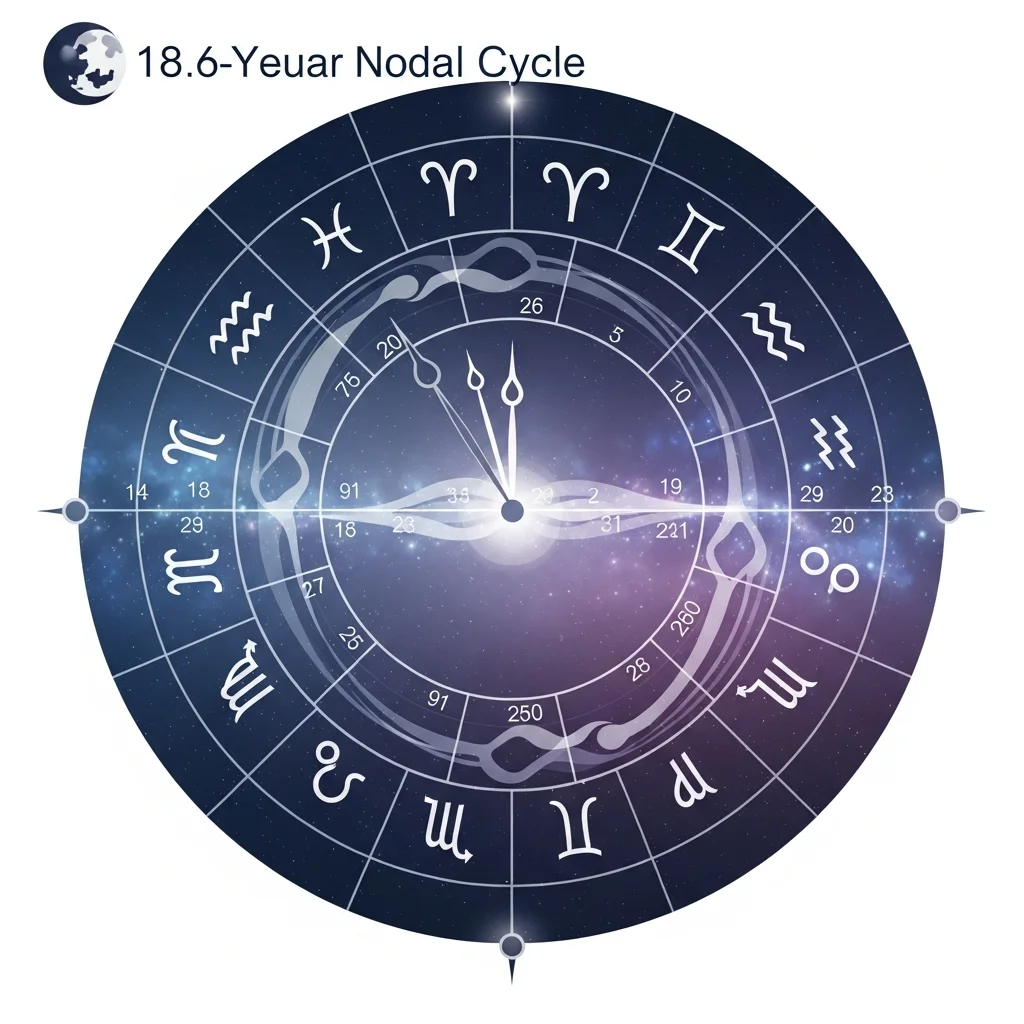
Timing gives nodes weight. Without cycles, nodes lose depth. Their rhythm shapes long-term development.
This rhythm anchors True Node vs Mean Node in Astrology within lived experience.
18.6-year nodal cycle
Nodes complete a full cycle in about 18.6 years. This period marks major life shifts. Many people experience reevaluation during nodal returns.
Themes resurface with clarity.
Time spent in each zodiac sign
Nodes spend roughly eighteen months in each sign. This slow pace allows deep exploration. Collective themes emerge during each period.
Personal charts respond uniquely.
Why nodal returns are significant
Nodal returns often coincide with turning points. Careers shift. Relationships evolve. Purpose clarifies.
Cycles repeat with wisdom.
True Node vs Mean Node in Chart Interpretation
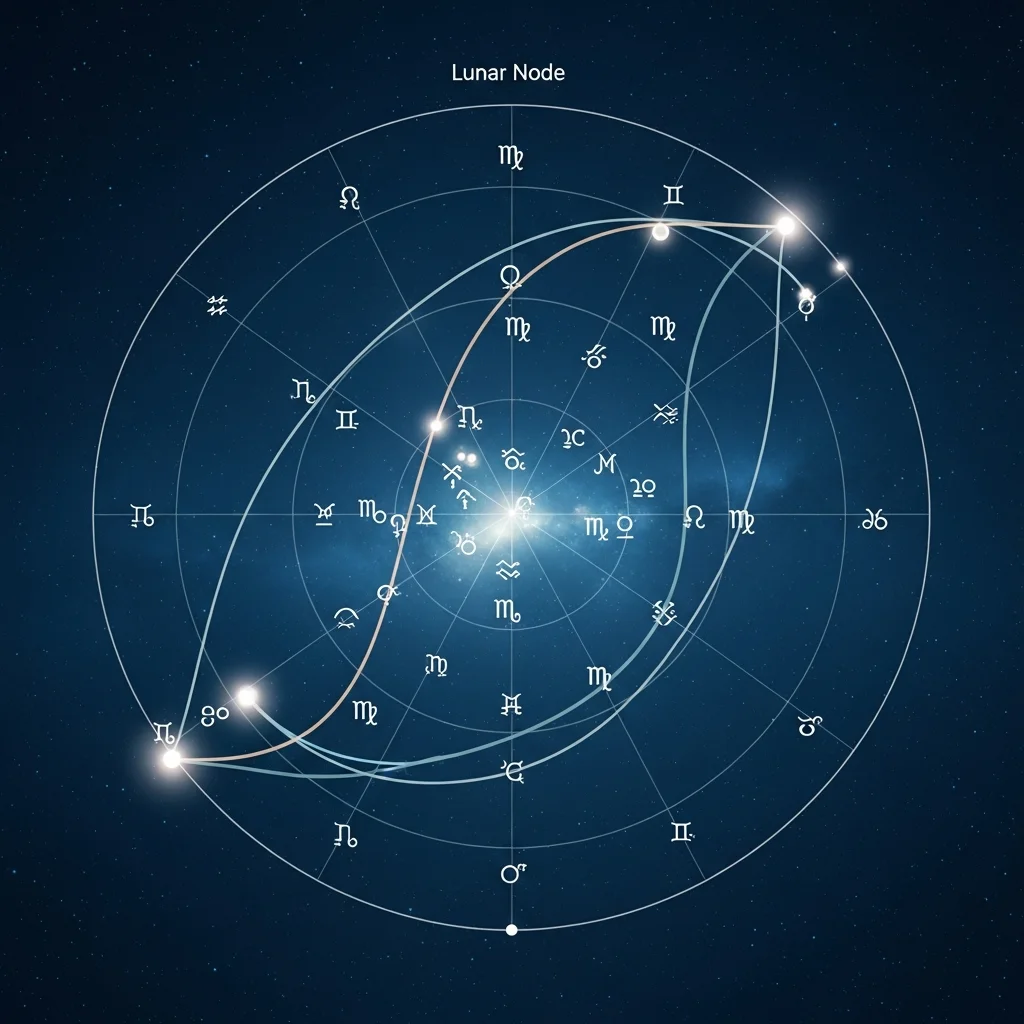
Interpretation depends on context. Charts tell stories. Nodes provide direction within that story.
The True Node vs Mean Node in Astrology choice shapes nuance, not destiny.
Natal chart interpretation
In natal charts, nodes reveal growth paths. Small degree differences rarely change the core message.
Meaning remains stable.
Transit analysis
During transits, precision can matter more. Some astrologers prefer the True Node for exact timing. Others rely on the Mean Node for trend analysis.
Both approaches work.
Synastry and relationship charts
In synastry, nodes highlight karmic bonds. Whether using True or Mean Node, patterns remain recognizable.
Connection outweighs calculation.
Why results may differ slightly
Differences appear at boundaries. Experience helps interpret these nuances responsibly.
Judgment matters.
When the Difference Actually Matters
Most charts show minimal difference. However, specific cases benefit from awareness.
Knowing when True Node vs Mean Node in Astrology matters prevents overcorrection.
When nodes fall in different signs
This occurs near cusps. Interpretation may blend both signs rather than choose one.
Nuance wins.
When nodes fall in different houses
House systems introduce uncertainty. Birth time accuracy matters more than node choice here.
Precision has limits.
Transit timing and exact degrees
Electional astrology benefits from precision. Here, True Node tracking can add insight.
Use tools wisely.
Advanced vs beginner chart reading
Beginners benefit from consistency. Advanced readers explore nuance responsibly.
Experience guides choice.
Which Should You Use — True Node or Mean Node?
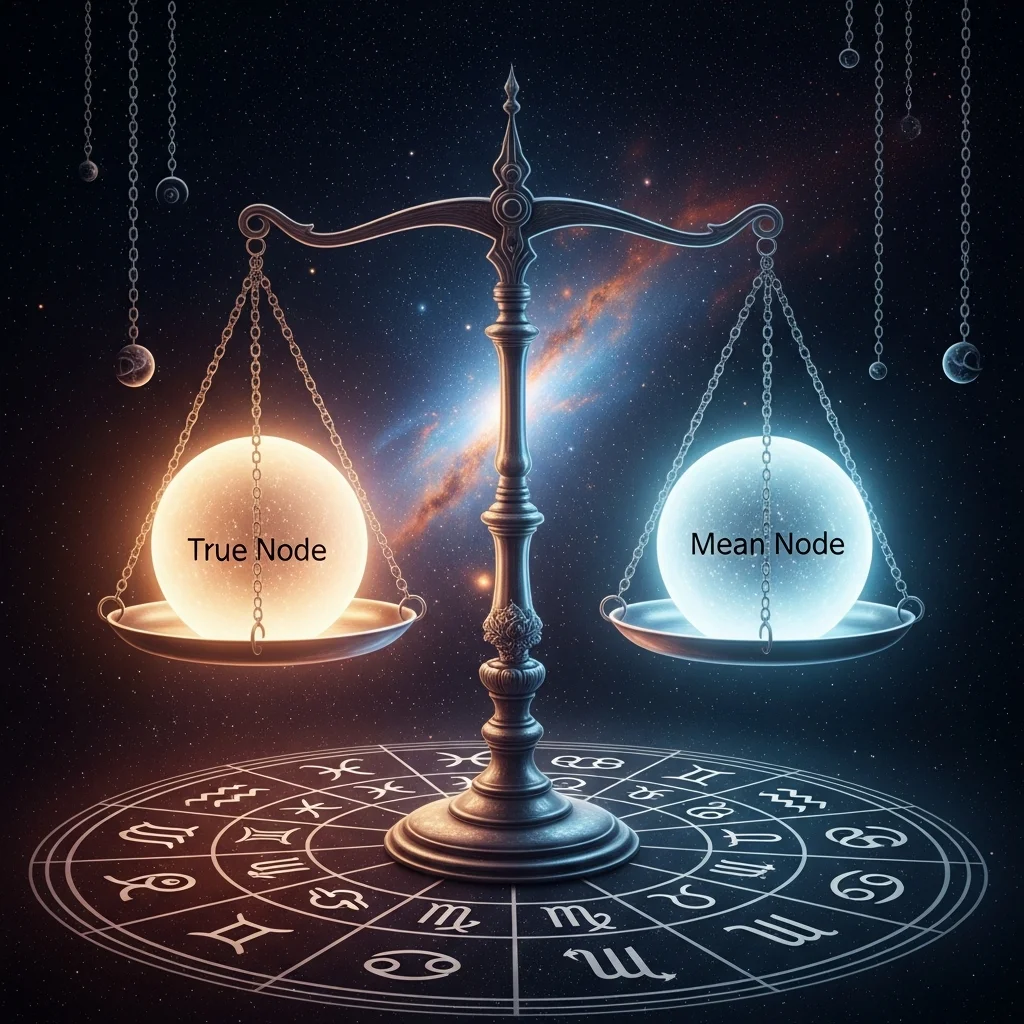
Choice depends on goals. Neither option carries moral or spiritual superiority.
Understanding True Node vs Mean Node in Astrology helps align method with intent.
Practical reasons astrologers choose True Node
Precision matters for timing. Some astrologers value real-time shifts.
Focus drives preference.
Practical reasons astrologers choose Mean Node
Consistency supports long-term themes. Many traditions rely on this approach.
Stability builds trust.
Why personal resonance matters
Astrology works best when methods align with intuition and experience.
Confidence matters.
Consistency vs precision trade-off
Choosing one method and staying consistent improves interpretation quality.
Switching constantly clouds insight.
Common Myths About True Node vs Mean Node
Misunderstandings persist because nuance rarely spreads online.
Clearing myths strengthens understanding of True Node vs Mean Node in Astrology.
“True Node is more spiritual”
Spirituality arises from interpretation, not calculation. Both nodes carry symbolic depth.
Meaning comes from use.
“Mean Node is outdated”
Mean Node reflects tradition, not obsolescence. Many systems still rely on it.
Age doesn’t negate value.
“Direct motion of True Node is special”
Direct motion reflects math, not omen. Overemphasis distracts from meaning.
Focus stays key.
Why these ideas persist
Simplified narratives spread faster than nuanced truth.
Depth requires patience.
Quick Comparison Table (True Node vs Mean Node)
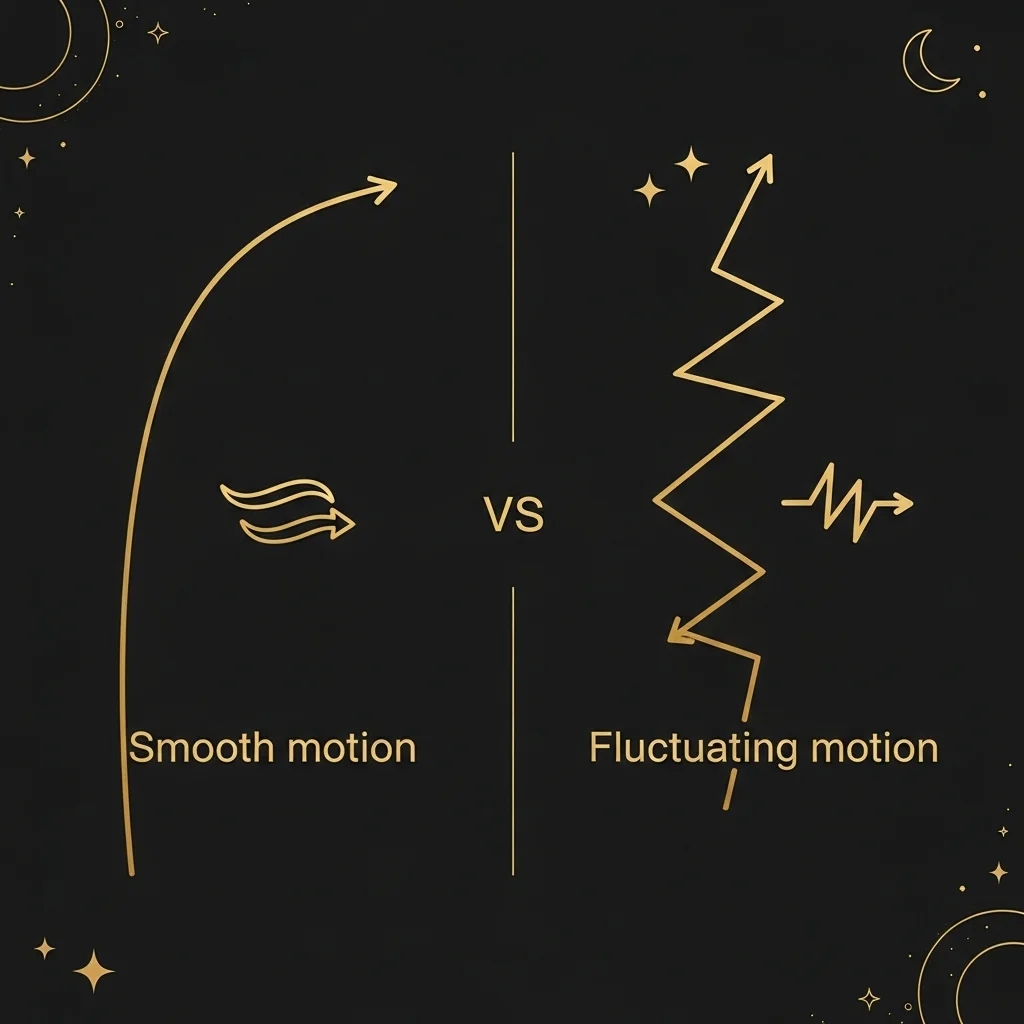
| Feature | True Node | Mean Node |
|---|---|---|
| Motion | Wobbles | Smooth |
| Goes Direct | Yes | No |
| Calculation | Exact | Averaged |
| Best For | Precision timing | Consistent interpretation |
Final Take — What Actually Matters More Than the Calculation
Calculation debates often overshadow meaning. Yet the nodal message remains the same. Growth requires awareness, effort, and balance.
Understanding True Node vs Mean Node in Astrology helps refine technique. Understanding the nodal story shapes life.
FAQs
Why understanding the nodal message beats technical debates
Nodes describe movement. Life unfolds regardless of math preference.
Meaning drives growth.
How to work with nodes long-term
Observe patterns. Reflect during nodal cycles. Apply lessons gradually.
Integration matters.
Why both calculations point to the same life themes
Different paths reach the same insight. Astrology rewards clarity, not perfection.
Purpose stays constant.